Zero waste
This is where we started. In 2008, a handful of Lake County residents set out to keep a garbage incinerator out of the county’s plans, and to offer something better. We succeeded on both counts.
The campaign that started it all
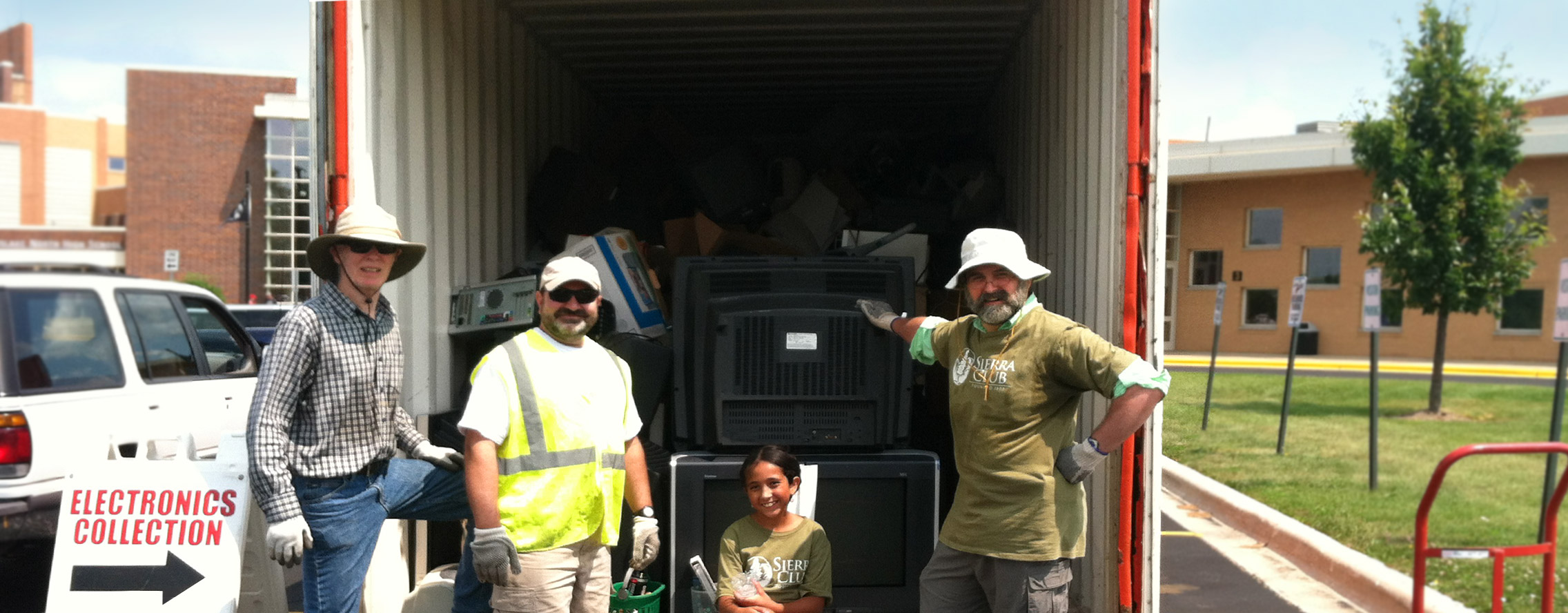
Calling ourselves Incinerator-Free Lake County, we asked the County Board to leave incineration out of its five-year solid waste plan. We were new at this. We had help from the Sierra Club and from elected officials, and the Board gave us a fair hearing and agreed.
We did not stop at no. We asked the county to redouble its recycling and waste-diversion efforts instead, and it set a goal of diverting 60 percent of its waste by 2020. Pairing opposition with a practical alternative became how we have worked on every issue since, including Route 120.
Watching the landfill
Many of us first met as neighbors of Countryside Landfill in Grayslake, fighting hydrogen sulfide emissions after the landfill began taking gypsum drywall in 2008. Federal regulators stepped in, the landfill stopped taking ground gypsum, and a later agreement with Grayslake, Lake County and SWALCO added hydrogen sulfide monitoring. Two Prairie Crossing Charter School students raised the money for our own handheld sulfur dioxide and hydrogen sulfide monitors, and we still keep an eye on the landfill’s permits and data.
What zero waste means to us
A circular economy, where materials keep their value instead of being burned or buried. In practice that means, in order of priority:
- Make less waste. Products designed to last, with less packaging and fewer toxic materials.
- Reuse and repair. Keep things in service longer, through local reuse, repair and donation.
- Compost and recycle. Return food scraps and yard waste to the soil, and materials to manufacturing.
- Do not burn it. Incineration destroys resources and pollutes the air, and it locks communities into feeding the burner for decades.
Zero waste, zero hunger
The USDA estimates that 30 to 40 percent of the U.S. food supply goes to waste, while many families go hungry. We support reducing food waste at the source, recovering edible food for food pantries, and composting what is left, instead of sending it to landfills.
World Cleanup Day
World Cleanup Day is a global volunteer effort held each September. We have signed on as a Lake County partner in past years, recruiting volunteers and local organizations, and we would like to do it again. If your group wants to organize a cleanup, get in touch.
Recycle right in Lake County
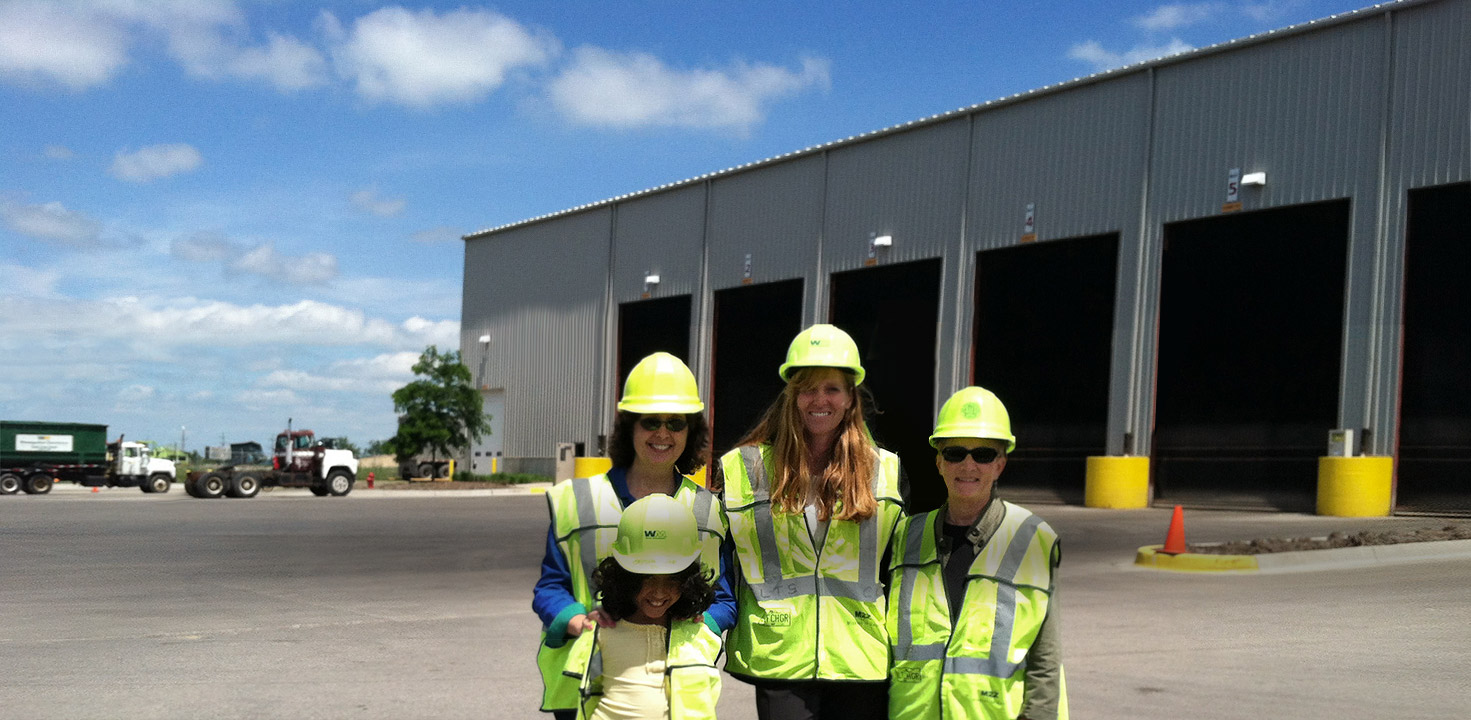
The Solid Waste Agency of Lake County (SWALCO) runs the county’s recycling guidance and collection programs for household hazardous waste, electronics and more. Its site is the best place to check what goes in your bin.
Help us keep watch
Volunteers report odors, read permits and show up when the landfill or the county’s waste plan comes up for a decision. Gifts pay for the research and outreach behind it.