
A Lake County organization for nature preservation, clean air and water, strong communities, smarter transportation planning and zero waste
Midwest Sustainability Group creates and puts forth positive solutions to create a better world.
We’re people who show up when decisions about Lake County’s land, water, roads and waste get made. We helped stop the Route 53/120 tollway, kept incinerators out of the county’s waste plan and helped set its 60 percent recycling goal. Now we’re asking IDOT to fix Route 120 instead of paving the wetlands south of it.
Our campaigns in the news: Daily Herald, Chicago Tribune, NBC 5 Chicago and Streetsblog Chicago. Read the coverage →
IDOT Route 120 Public Meeting #2: Tuesday, November 10, 3–6 p.m.
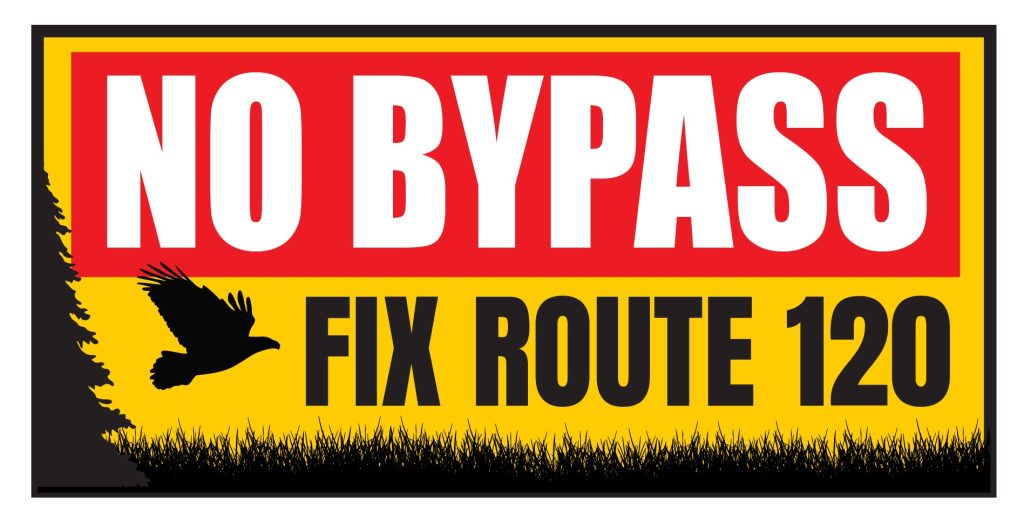
Fix Route 120.
Stop studying a $2 billion bypass. Start fixing the road we already have.
Nine miles, two rail crossings, one big decision
IDOT is studying how to fix 9.3 congested miles of Route 120 between Volo and Grayslake. One option on the table is a bypass that would pave over wetlands, forests and prairie to the south. Fixing the road we already have would be faster and cheaper, and it would spare the wetlands that hold back floodwater.
Route 120 is the main east–west road across central Lake County, and anyone who drives it knows where it jams: at signals, where the road narrows from four lanes to two, and where freight trains cross it at grade.
9.3 miles, two rail crossings at grade, 1,263 crashes from 2017 to 2021 by IDOT’s count. Tap a road, a rail crossing or the bypass line to see what is there.
IL 60, Volo, mile 0. IDOT’s IL 120 study starts here and runs 9.3 miles east to Almond Road in Grayslake.
Rail crossing near IL 134. Trains cross Route 120 at grade here. We are asking for a fix at this crossing as part of improving the road we have.
IL 134, Hainesville, mile 4.5. The Route 120/134/Hainesville Road junction is a bottleneck. We are asking IDOT to rework it, with roundabouts where they fit.
CN crossing, just west of IL 83. Canadian National freight trains cross Route 120 at grade, and a stopped train can block several Grayslake crossings at once. In August 2026 one held up paramedics on their way to a woman in labor. An underpass or overpass would fix it.
IL 83, Grayslake, mile 6.5. One of the corridor’s busiest intersections. Our 2019 transportation vision for Lake County called for a rail grade separation at Routes 120 and 83.
US 45, Grayslake, mile 7.9. IDOT’s current highway program includes added lanes and reconstruction of Route 120 from Ashford Lane to US 45.
Almond Road, Grayslake, mile 9.3. The study ends here. Work to add lanes between Almond and Atkinson roads was already beginning when IDOT stopped it to start the federal study.
Bypass options. The bypasses IDOT is studying would run south of today’s road, through land its own study lists as sensitive, including the Liberty Prairie Reserve, Almond Marsh and the Big Sag Wetlands. The line on this map is schematic, not IDOT’s alignment.
Those are trouble spots on the existing road, and they have specific fixes: rail underpasses or overpasses, turn lanes, better and safer intersections, modernized technology like signal coordination, and roundabouts, to name a few. A bypass would add a second highway through land that IDOT’s own study lists as sensitive, including the Liberty Prairie Reserve, Almond Marsh, the Big Sag Wetlands, Mill and Manitou Creeks, and forests and wetlands with habitat for 43 federal- and state-listed threatened and endangered species. See what we’re asking for.
Where IDOT’s study stands
The Illinois 120 Planning and Environmental Linkages (PEL) study decides which alternatives move on to engineering and environmental review. Public comment counts most before that list is narrowed.
- April 2024IDOT opens the study with a public meeting at the Lake County Fairgrounds in Grayslake.
- 2024When the Illinois Department of Transportation did not fulfill its obligation to provide us with public information when board member Evan Craig submitted a Freedom of Information Act (FOIA) request in the spring of 2024, he filed a lawsuit with our support and assistance and in consultation with us. His suit won summary judgment, and we are awaiting final settlement. To date, we have received and studied over 40,000 documents in total in our Freedom of Information Act work on the 120 project.
- 2024 to spring 2026A Community Advisory Group reviews possible alternatives over four meetings. Engineers keep a bypass south of the existing road on the list, despite overwhelming opposition from the group and little support at the first public meeting.
- November 10, 2026: Public Meeting #2IDOT holds the study’s second public meeting on Tuesday, November 10, as alternatives are screened, from 3 to 6 p.m. at the University Center of Lake County in Grayslake.
- Winter 2026–27: Public Meeting #3IDOT presents the alternatives it recommends carrying forward.
- Spring 2027The study is scheduled to finish. What survives goes into preliminary engineering and environmental review.
We have done this before
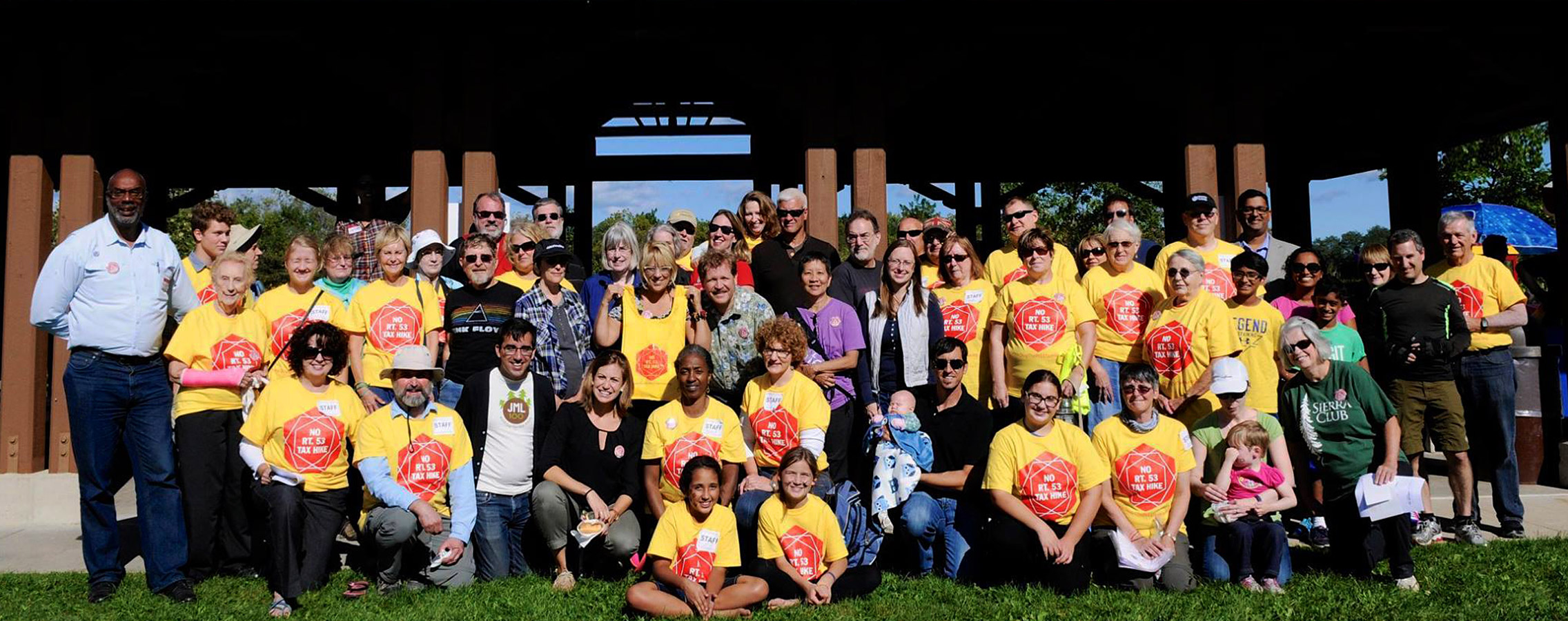
For more than 60 years, a tollway through central Lake County kept being resurrected like a zombie. It was finally stopped in 2019, and the land bought for it is on its way to becoming a public greenway, with the Lake County Forest Preserves in talks to take it over. That took years of patient, strategic work and organized residents who showed up with better ideas.
- 2008As Incinerator-Free Lake County, we keep incinerators out of the county’s solid waste plan and persuade the County Board to double down on recycling instead.
- 2008 onwardAs neighbors of Countryside Landfill in Grayslake, we organize residents over hydrogen sulfide emissions until federal regulators step in and the landfill stops taking ground gypsum.
- 2010The county’s Recycling Task Force sets out to raise recycling from about 38 percent to 60 percent by 2020. We serve on it.
- 2014With County Board member Pat Carey, we win a Sustainability Coordinator position on the county staff.
- July 2019After more than five years of hard work and organizing, the Illinois Tollway ends its study of the Route 53/120 extension (the Tri-County Access study), stopping the project for the fourth time. We were founding members of the Green Corridor Coalition that fought it and won.
- December 2022A state task force we served on recommends that the roughly 1,100 acres bought for the extension become a greenway, with 16 of its 19 members in favor.
- March 2023The Lake County Board endorses the greenway. Barbara Klipp speaks for the Green Corridor Coalition, which MSG helped build.
- June 2024The General Assembly approves $1 million for the Illinois DNR to plan the greenway.
- April 2025The Lake County Forest Preserves opens talks with the state to take over about 1,000 acres of the corridor and build trails on it.
Help us do it again on Route 120
Stopping the tollway took years of showing up, reading the fine print and bringing neighbors along. IDOT narrows its Route 120 options this winter, and your gift keeps us in the room.
The rest of our work
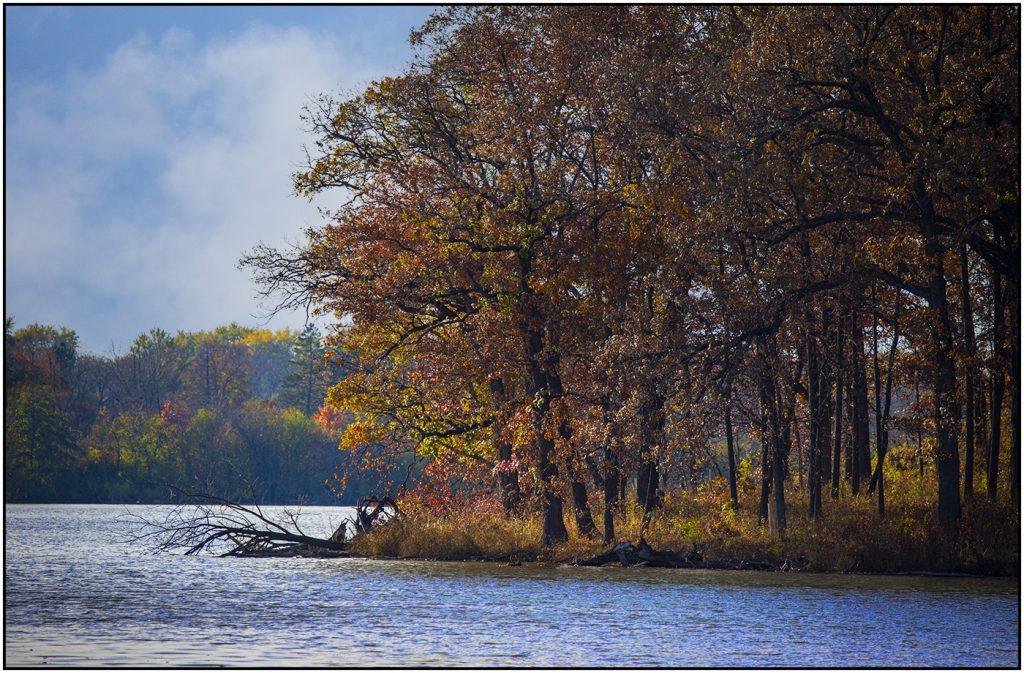
Route 53 Greenway
Twelve miles of land bought for a tollway that will never be built, running from Long Grove to Grayslake. We are working to keep it whole and open to the public.
Zero waste
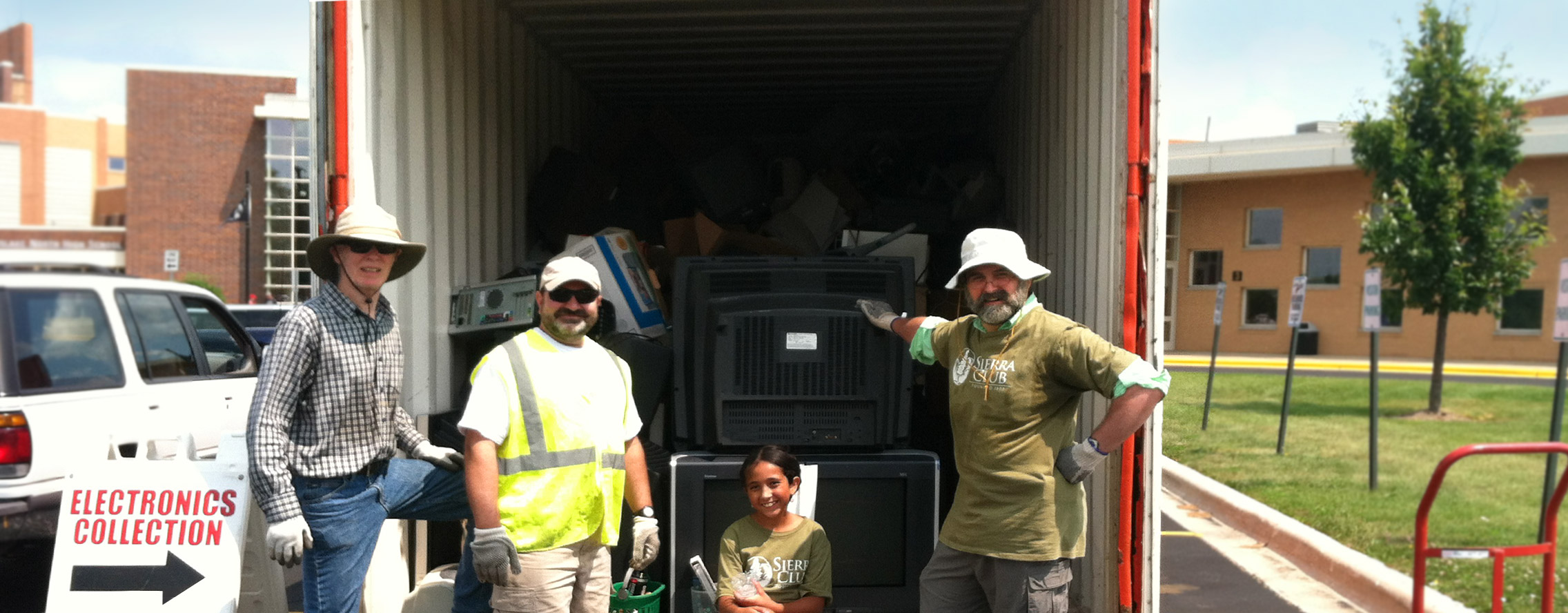
Where we started. We push for less waste, more reuse, composting and recycling, and for keeping incinerators out of Lake County.
Advocacy 101
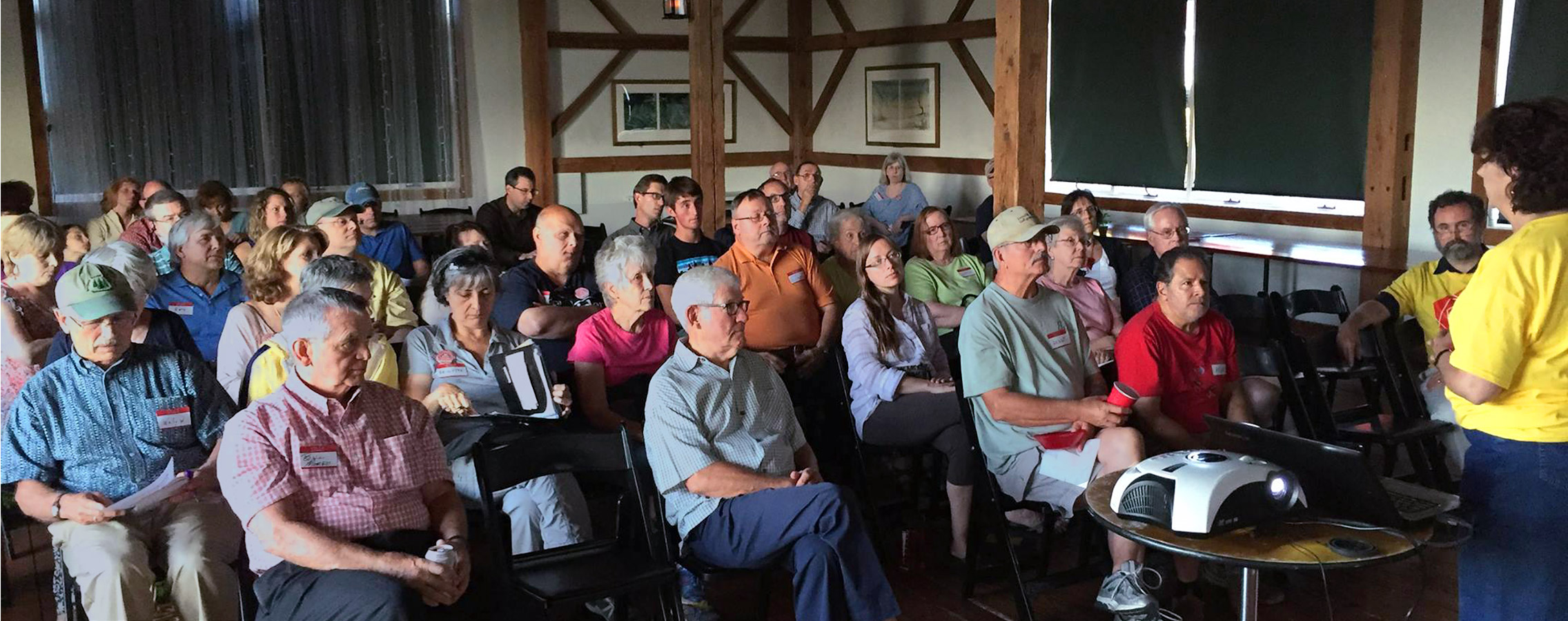
Workshops on how local decisions actually get made, and how residents can change them: from public comment to coalition building.